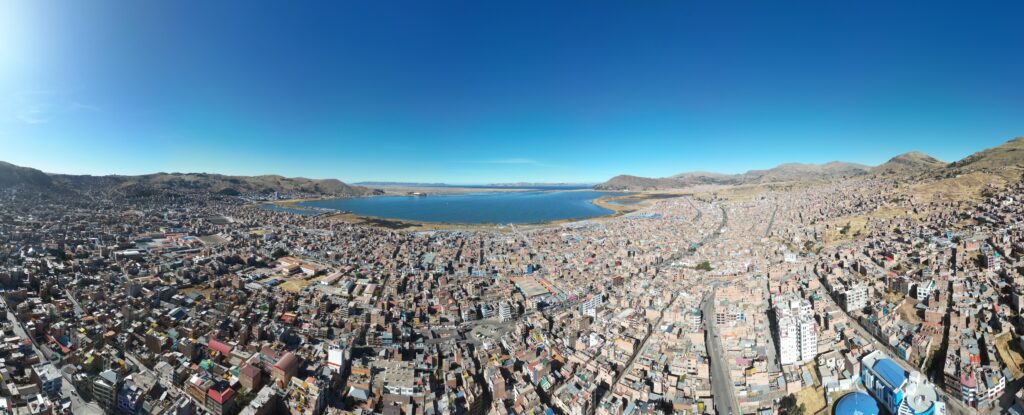
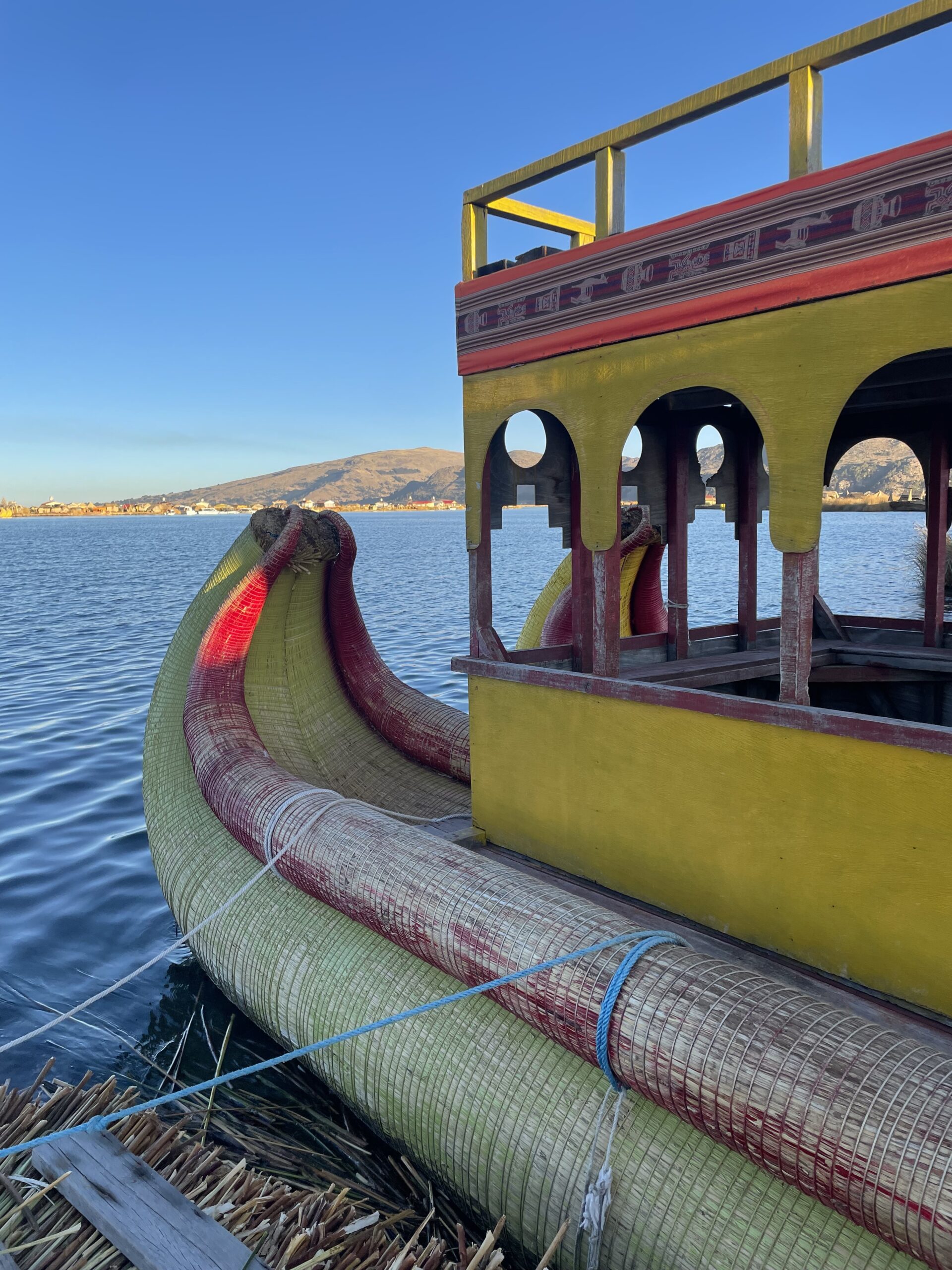
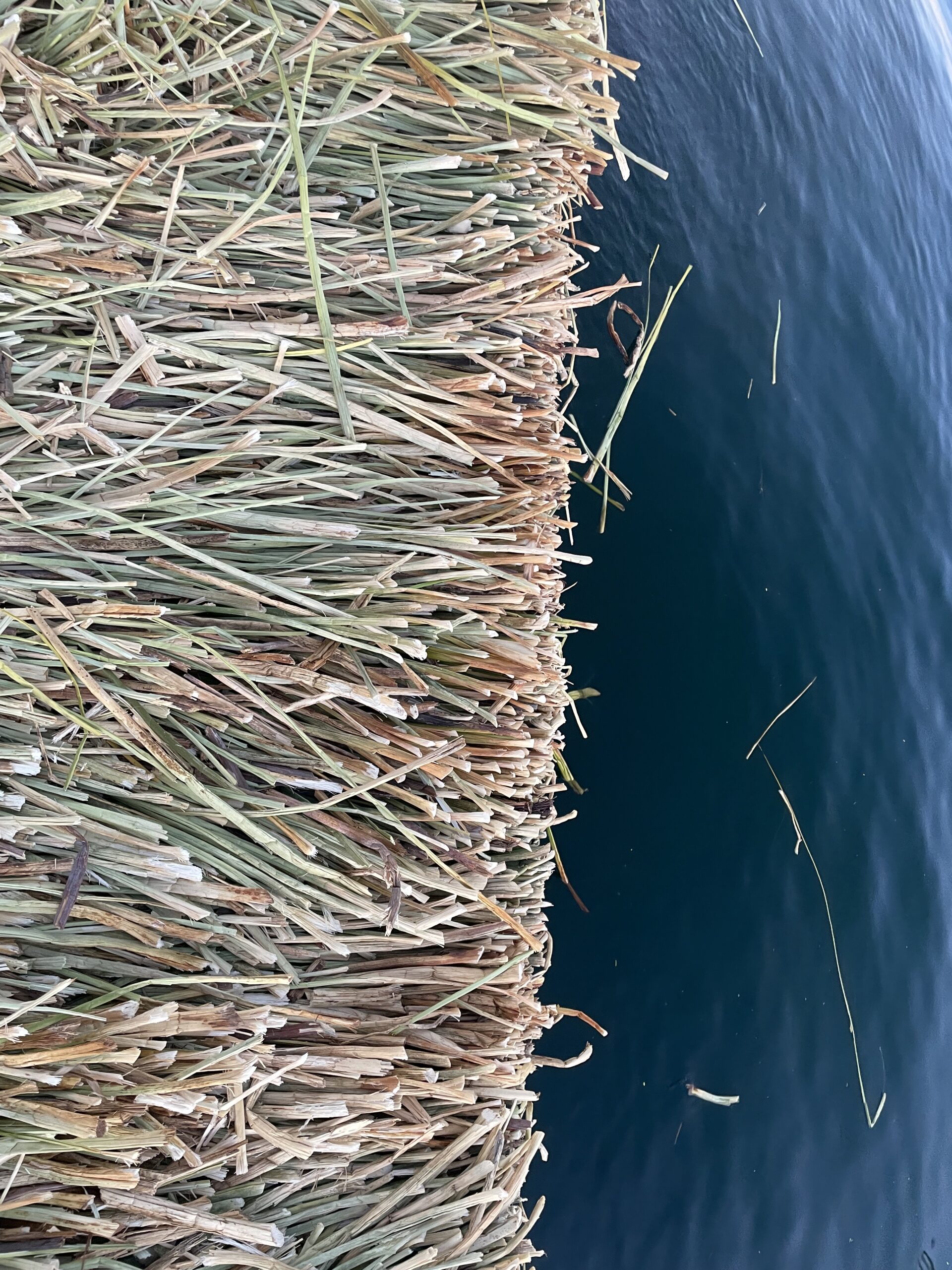
Lake Titicaca is probably most famous for its amazing name. It’s the reason I visited, but it turns out it is cool for other reasons as well. It’s a huge lake covering 3,200 square miles, sitting 12,500 feet above sea level on the border between southern Peru and western Bolivia. There are people who live on floating islands made from the abundant reeds growing in the shallows.
Día 1
The previous evening, I boarded the PeruHop bus at 6:00 pm in Nazca. We drove through the night to Arequipa – a 10-hour bus ride. I really wanted to see Arequipa, but sadly didn’t have time. Those who were visiting Arequipa got off the bus, and those who were leaving the city boarded. I don’t remember getting the chance to deboard. We continued the long drive. We had 5 more hours ahead of us.
When I was finally wide awake, I noticed that the bus was steadily climbing up hill after hill. The countryside grew greener but stayed rugged. From the bus, I saw a giant herd of white llamas as well as smaller herds of wild guanacos (an animal similar to a llama).
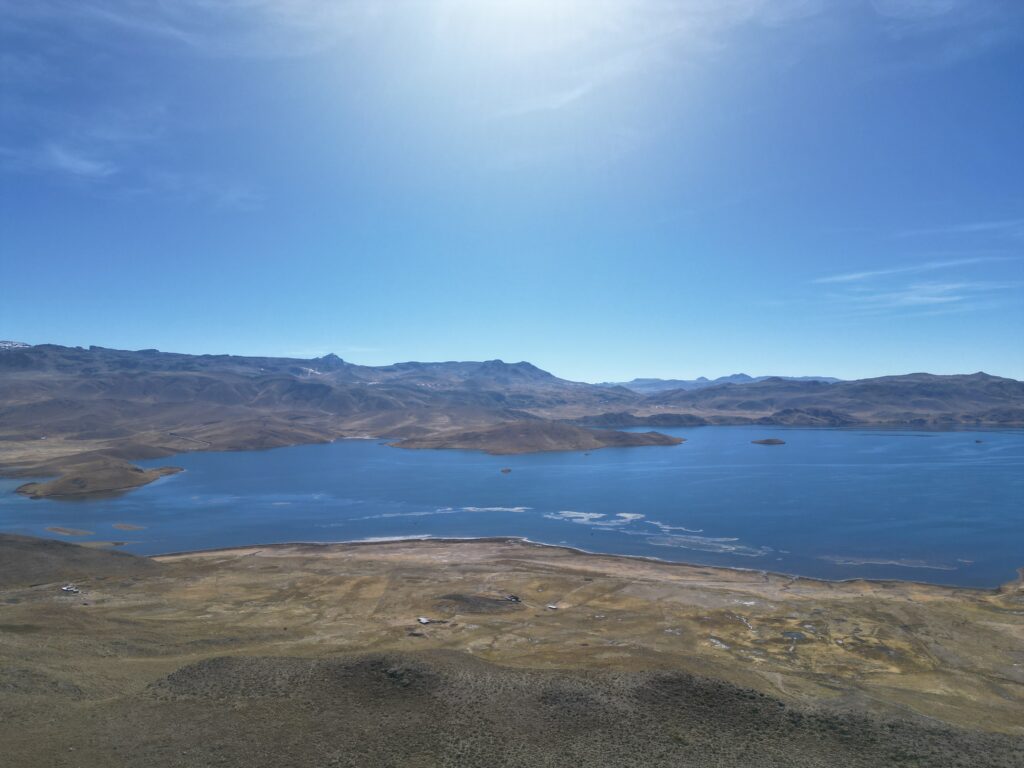
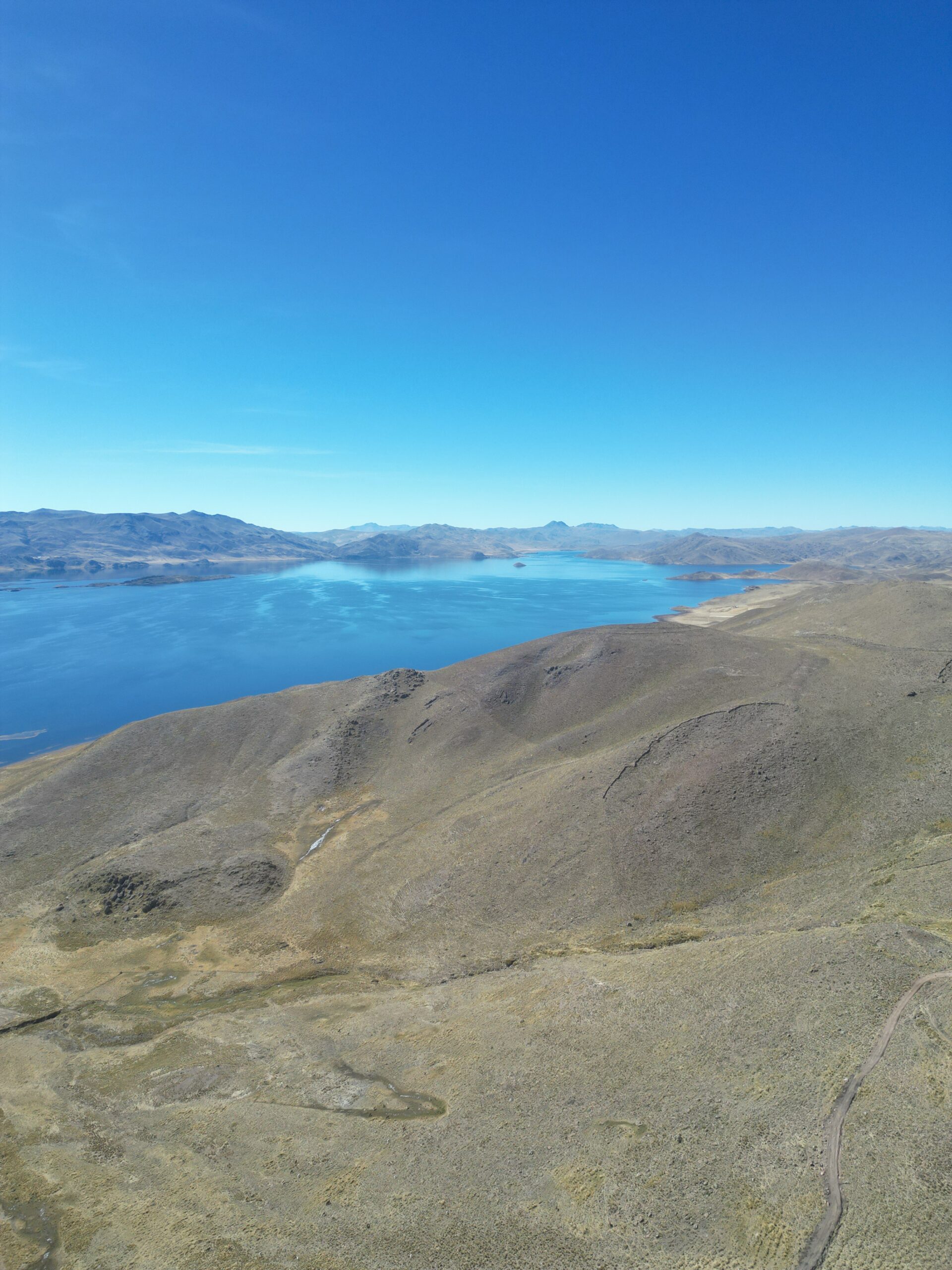
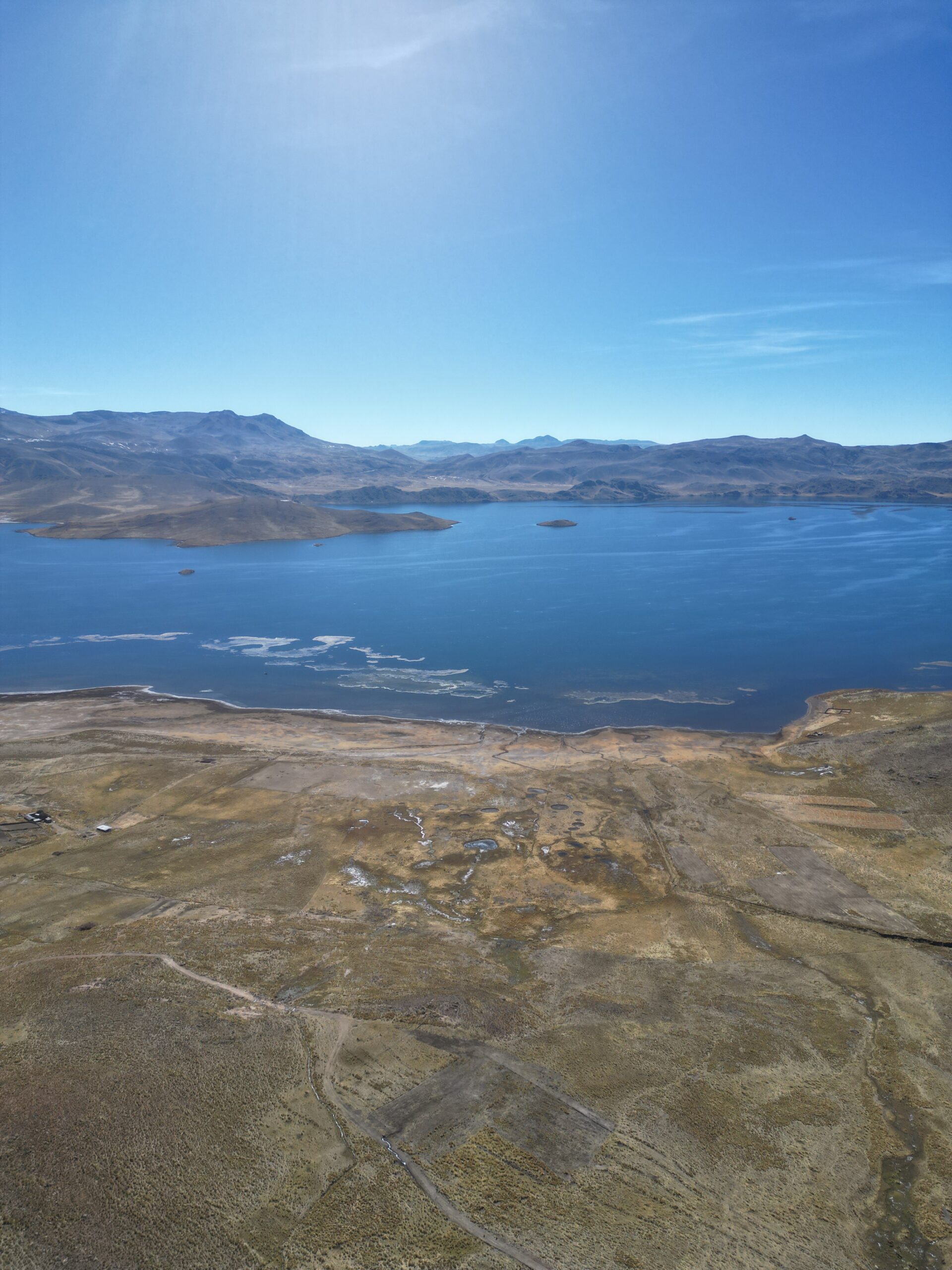
On the way to Puno from Arequipa, we made one stop at a lookout called Mirador Alto Lagunillas. The higher altitide was noticeable – 4,444 meters (14,580 feet) above sea level.
At the rest stop, there were artisans set up with their wares to sell to tourists. There was some cool stuff but it felt overpriced so I didn’t buy anything there.
Puno
I arrived in Puno at 1:30 pm after a 15-hour drive. I knew the altitude would be punishing, but all I wanted to do was walk around the city.
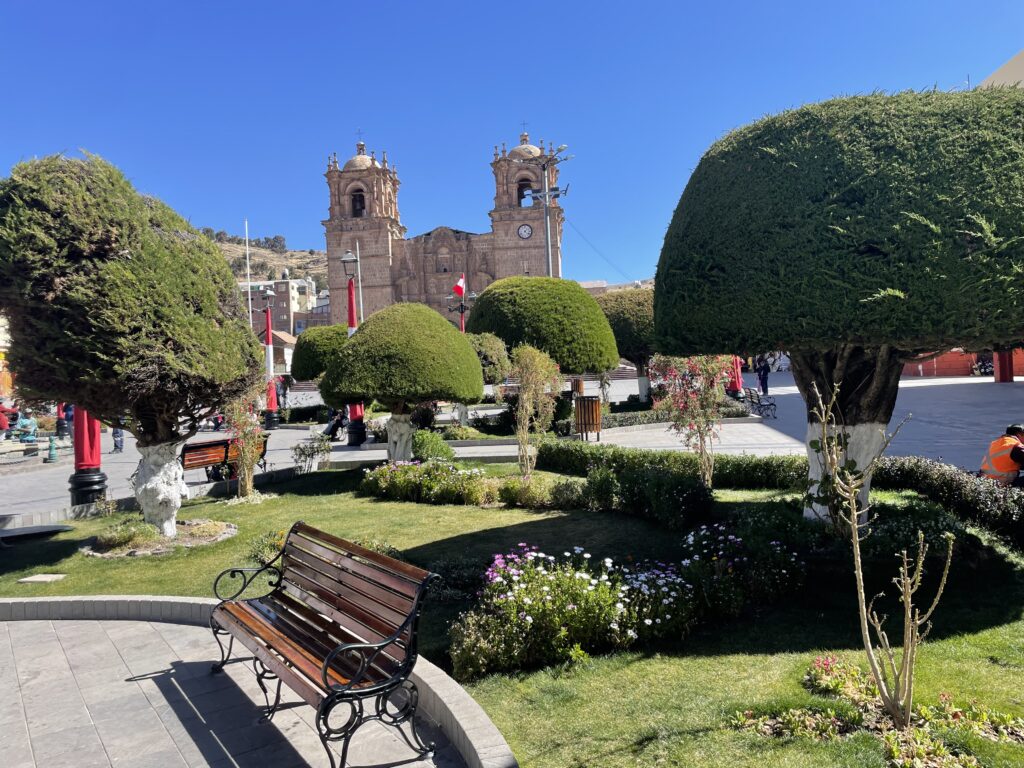
Plaza Mayor de Puno
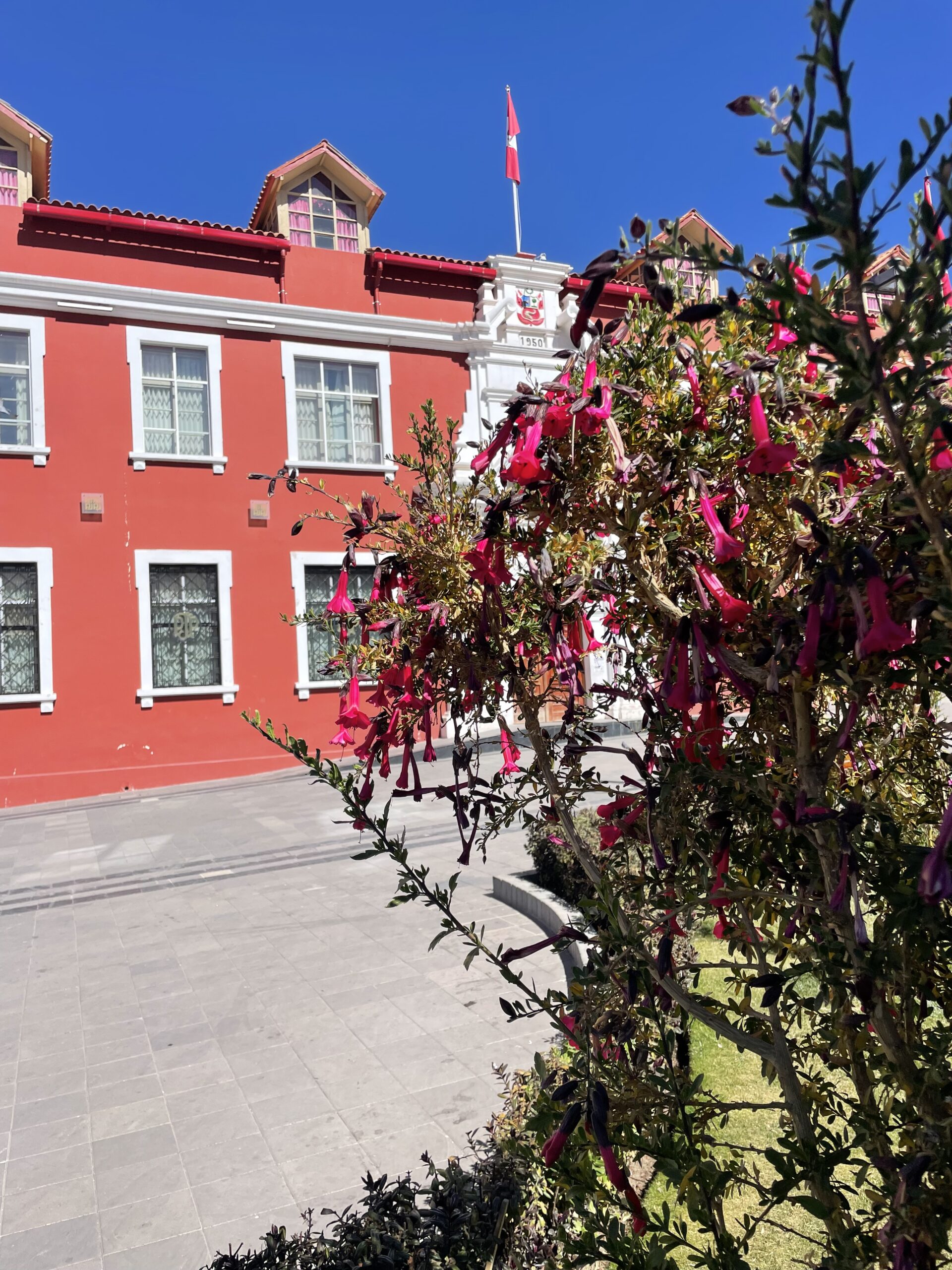
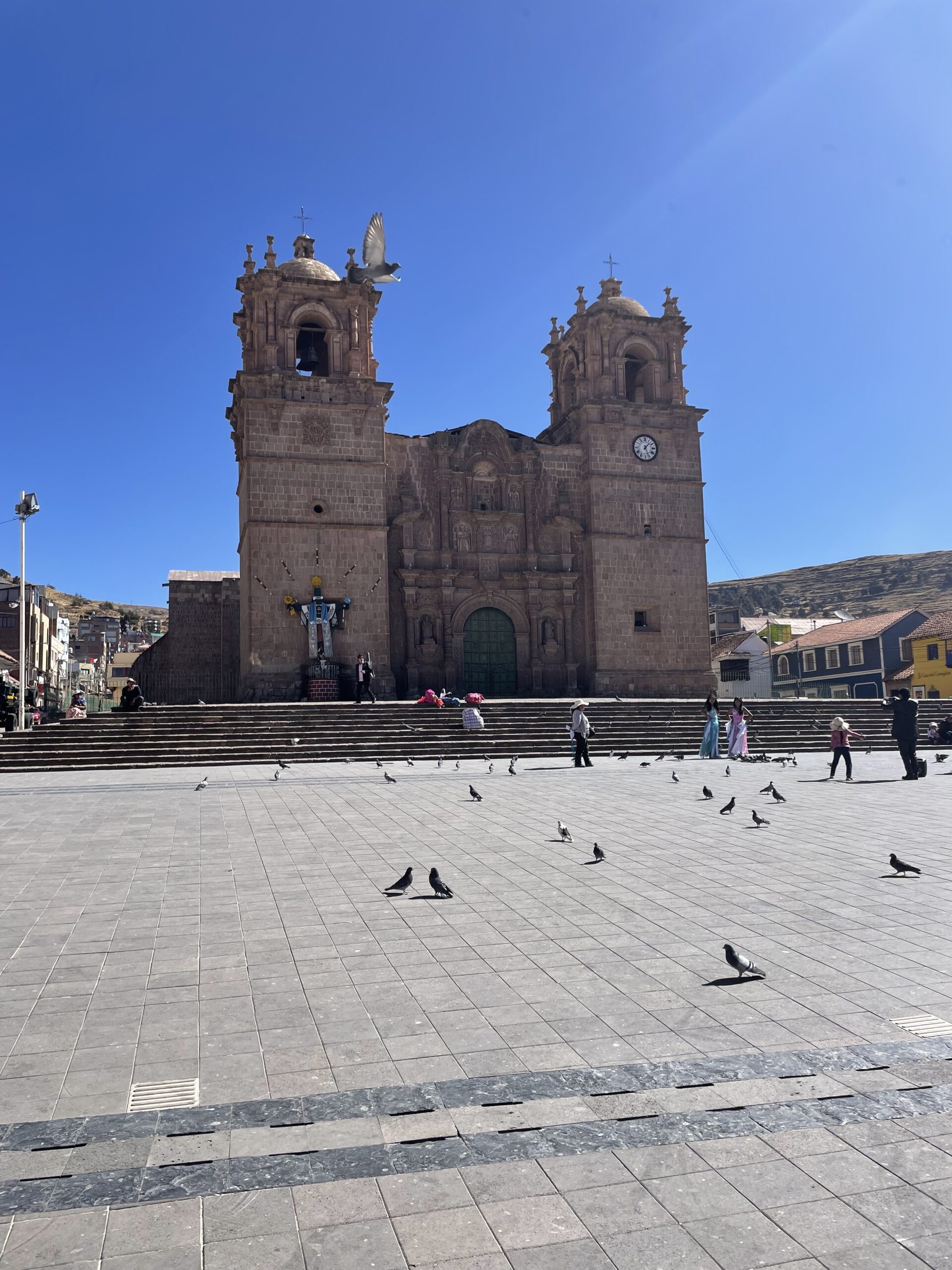
I walked to the city’s main plaza. On the way there, I walked through Pino Park. There was some kind of celebration taking place. Marching bands played music with drums and brass. A few dancers in traditional garb moved in time with the music, their long skirts swaying. I probably should have hung around Pino Park longer, because when I arrived at the Plaza Mayor it was dead.
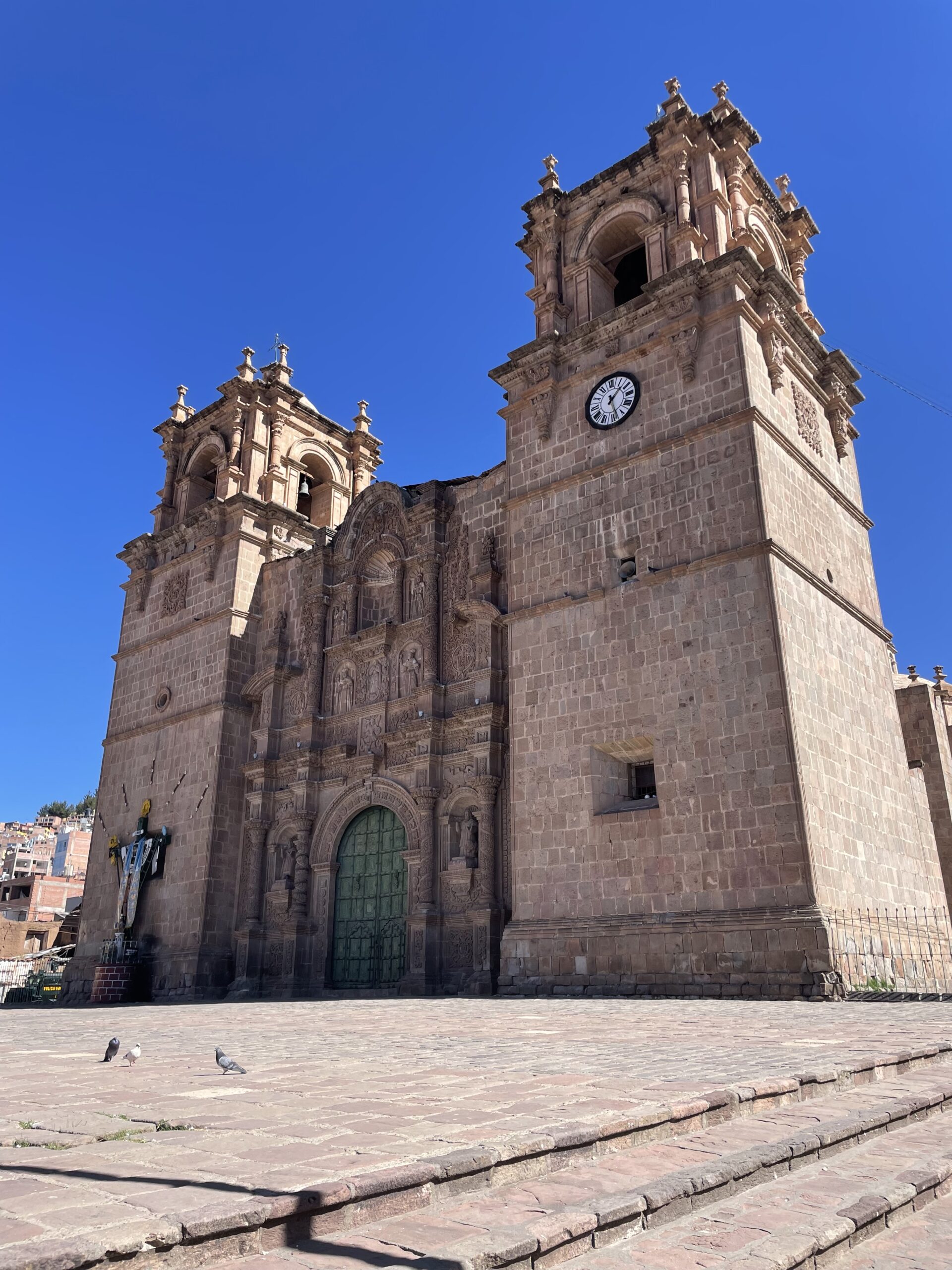
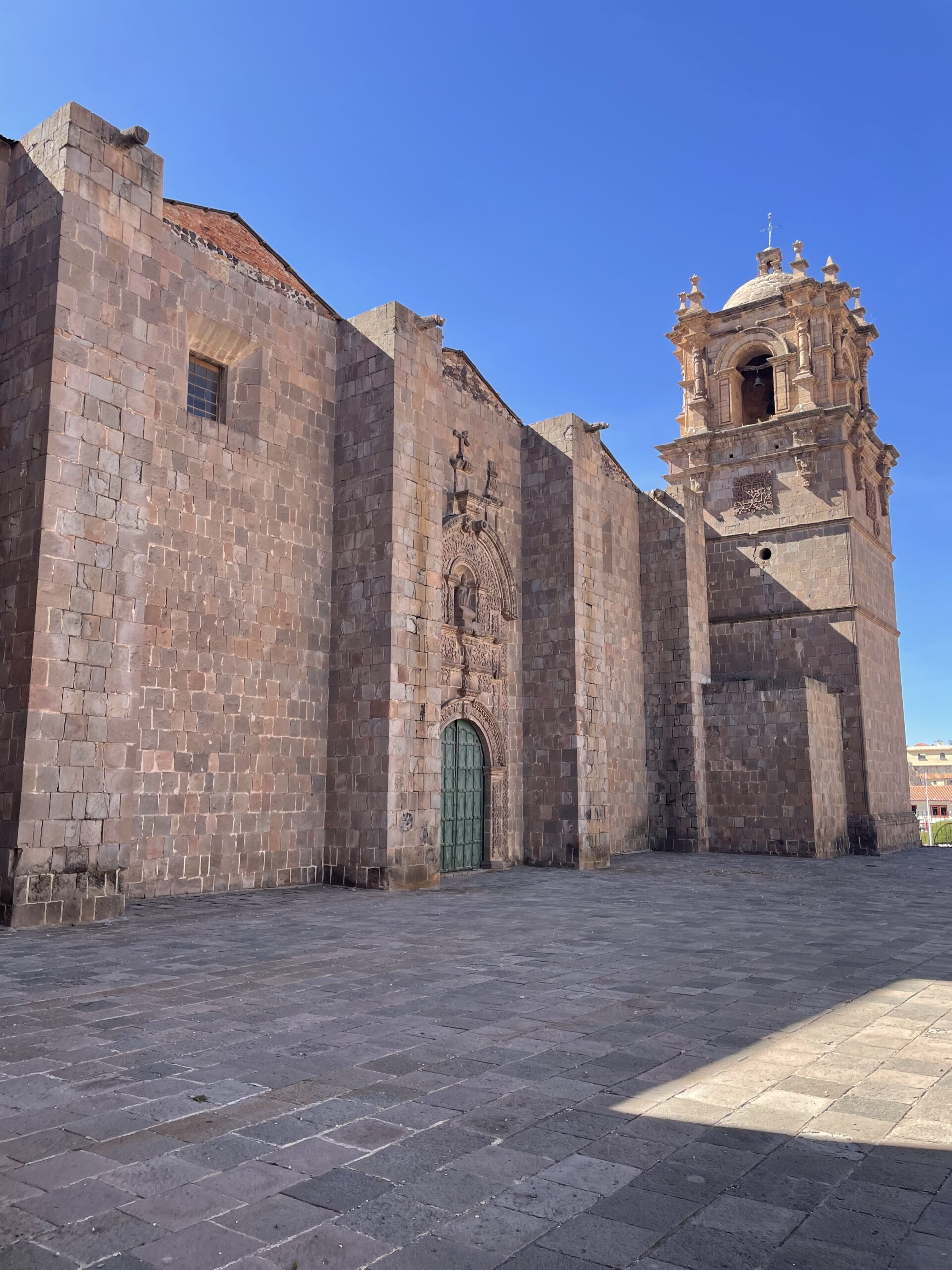
La Puno Cathedral was impressive. Its austere, rugged design matched the surrounding landscape.
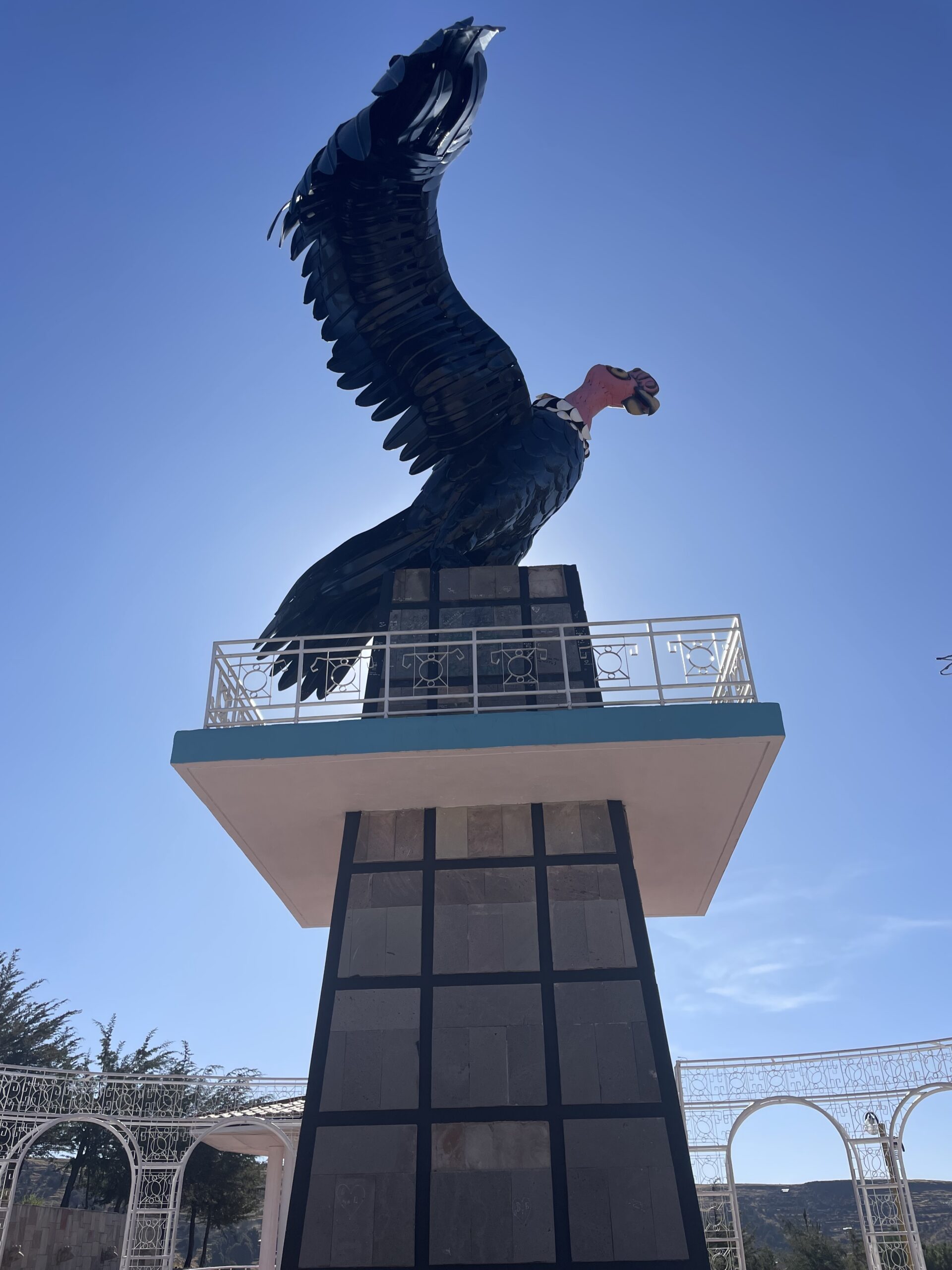
Mirador El Condor
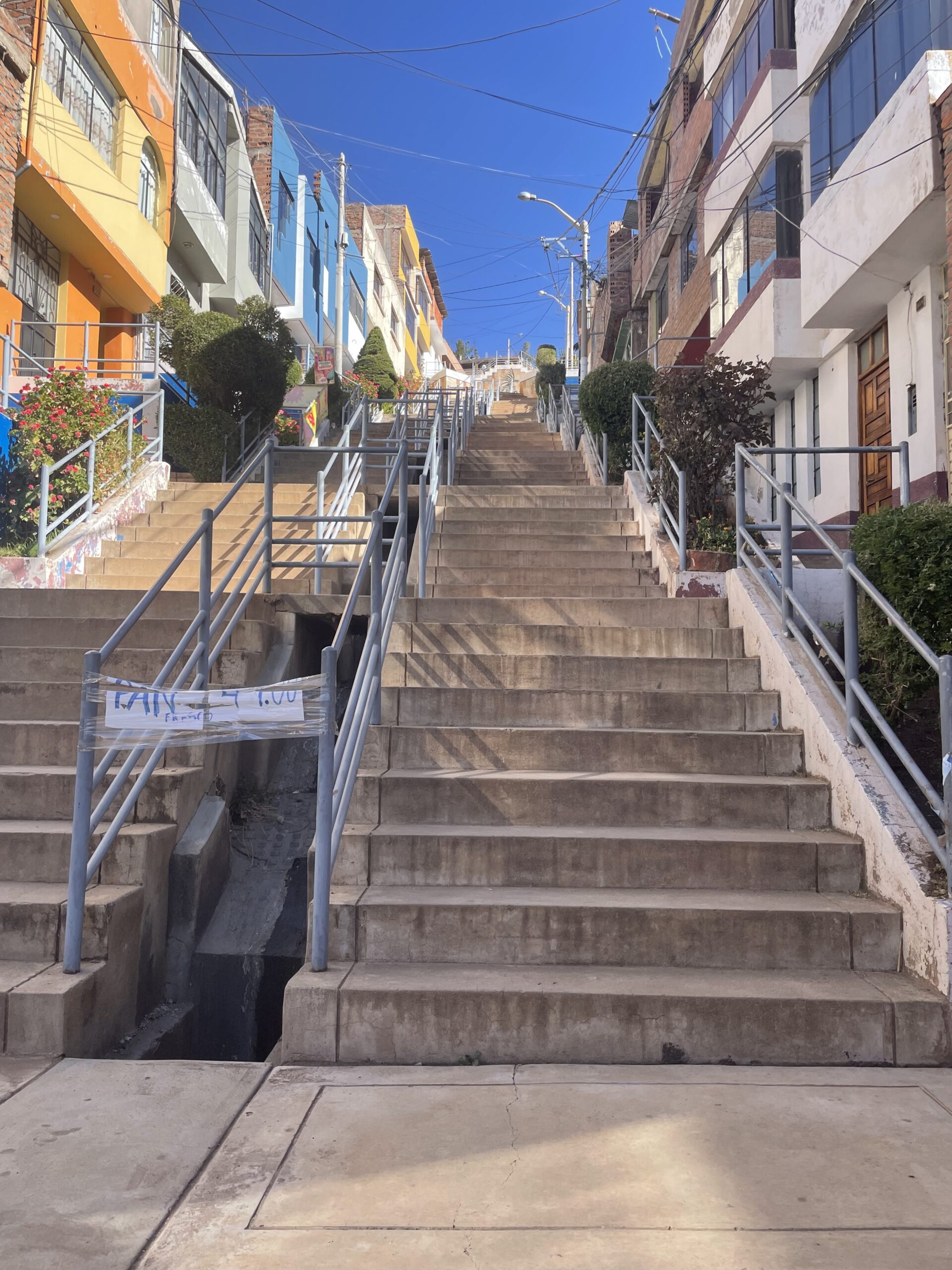
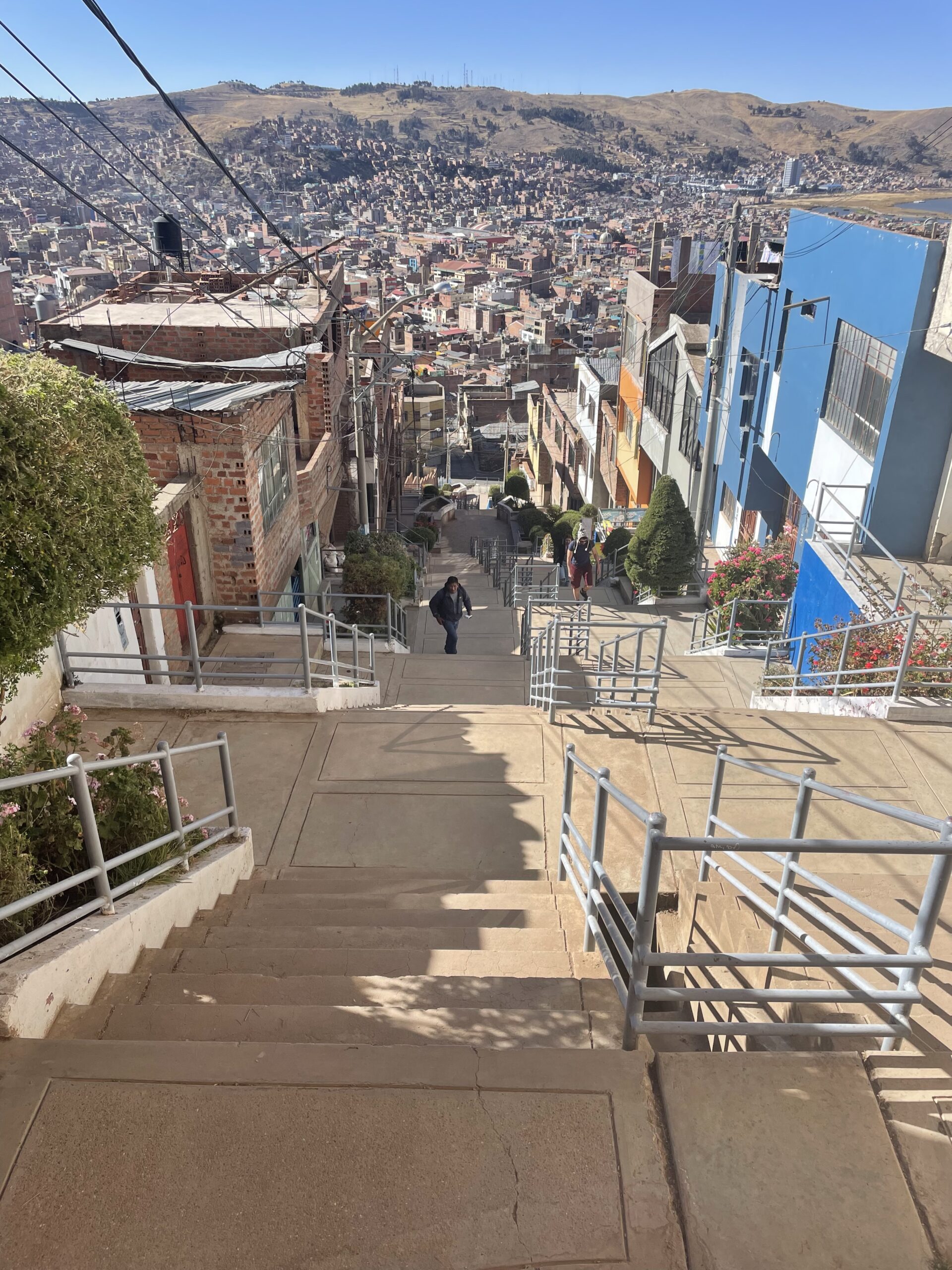
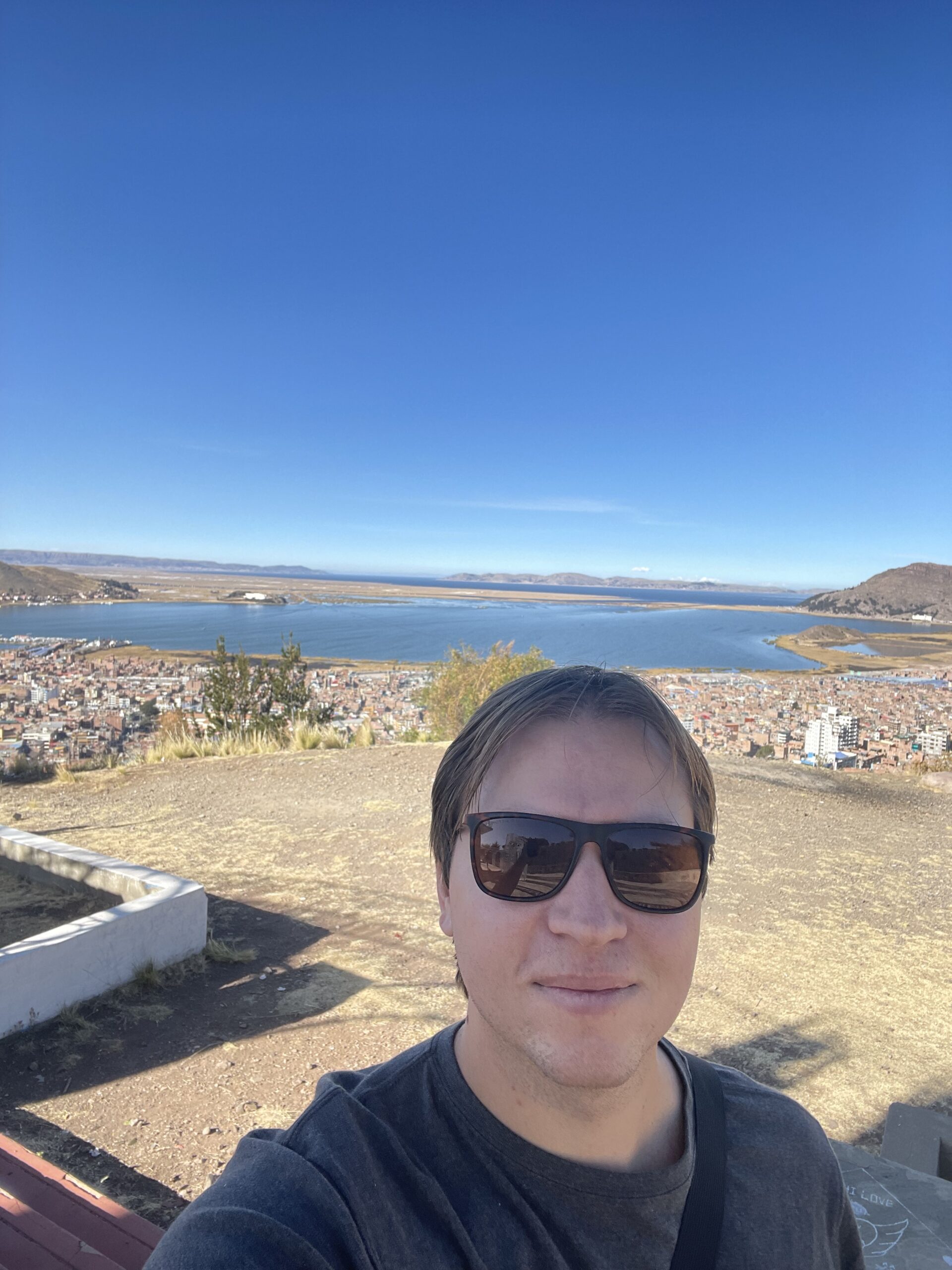
From Plaza Mayor, I walked 20 or 30 minutes to Mirador El Condor. To get there, you need to climb up 600-700 steps. The hundreds of steps plus the altitude make for a lot of huffing and puffing.
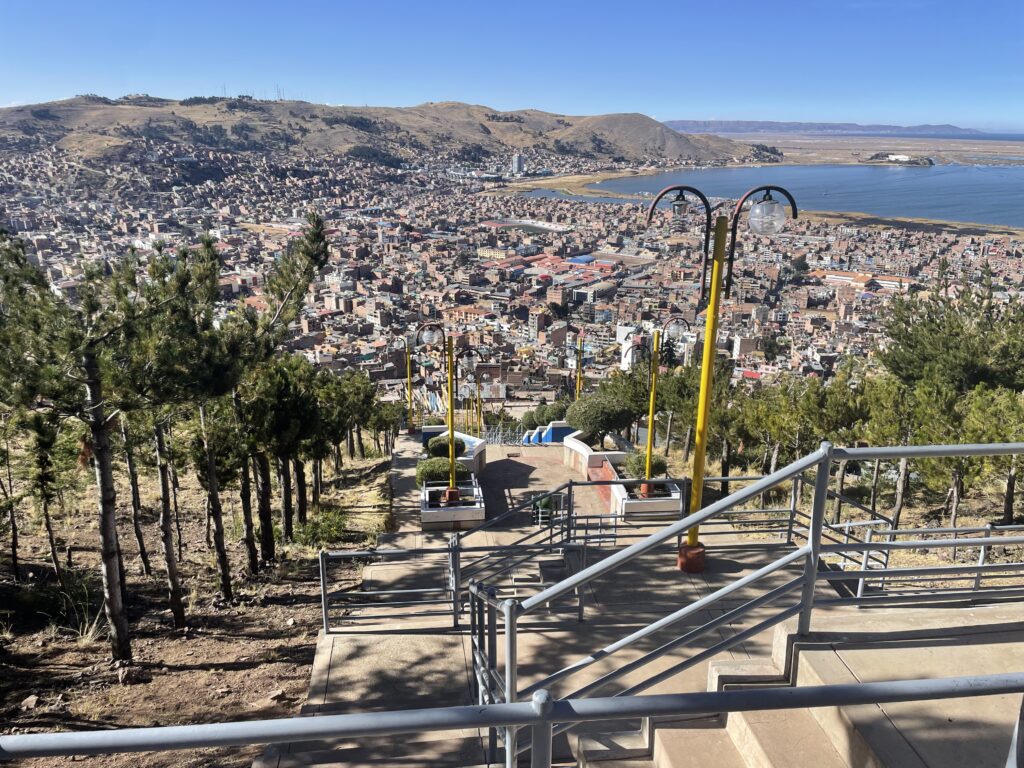
The view from the top is worth it.
Uros Floating Islands
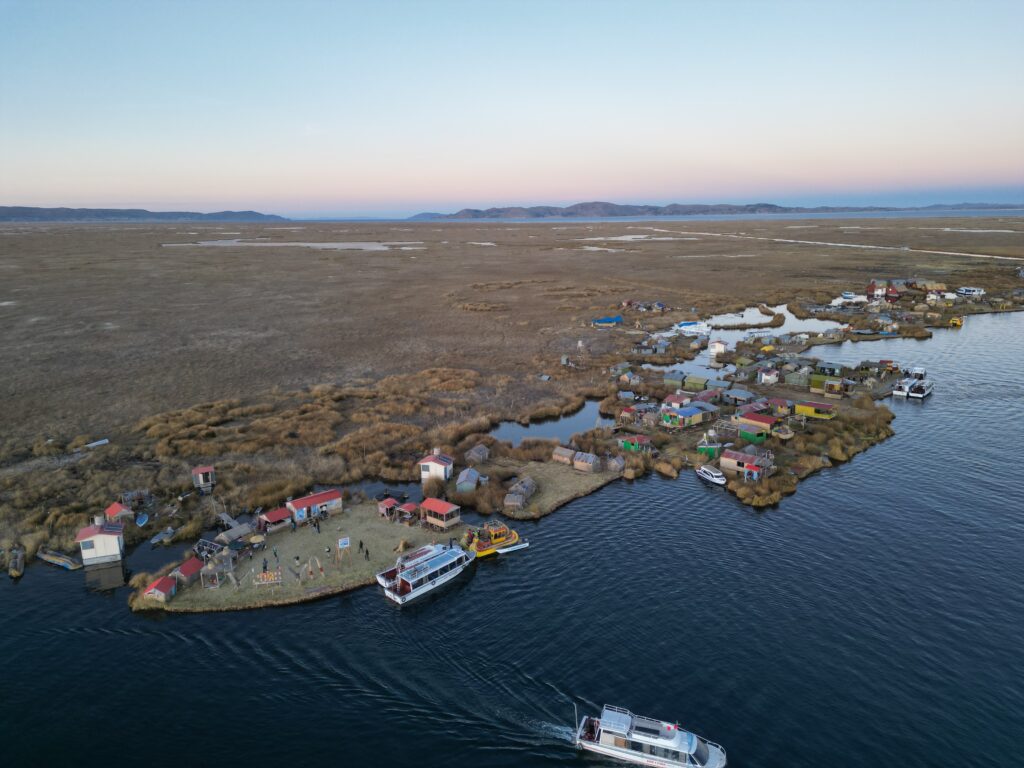
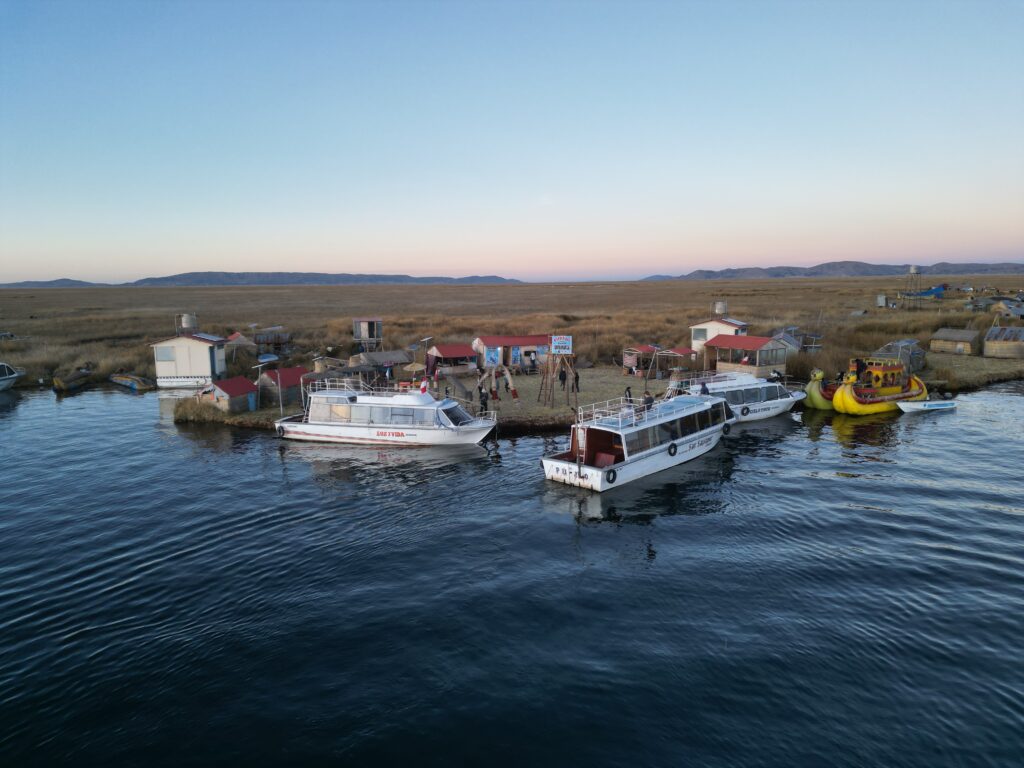
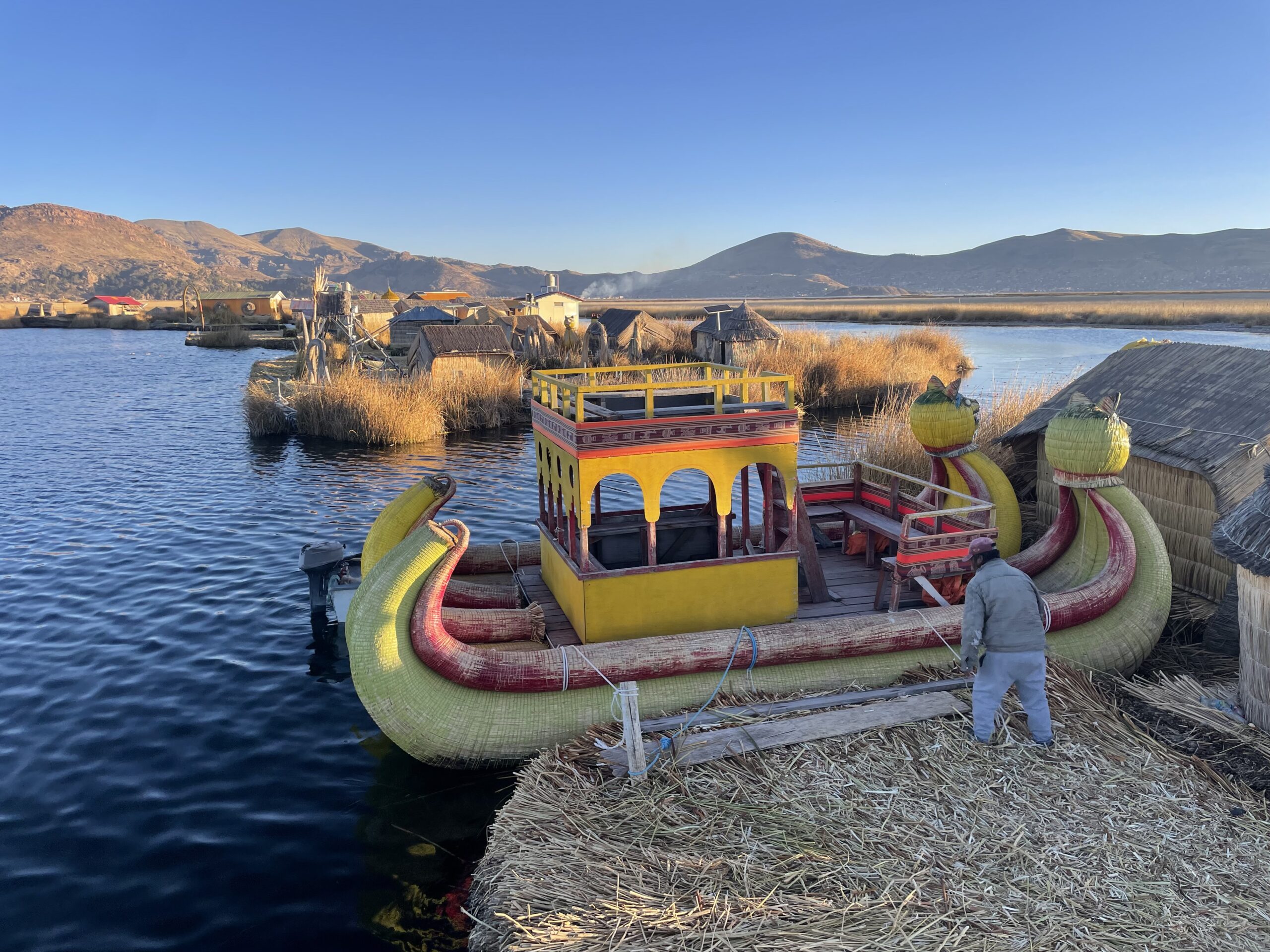
I descended the stairs and made it to the lakeside port in time for a sunset boat tour. I was hot from the climb and decided not to bring a jacket. It was a bad move. We sailed down a long channel, which led to a small natural channel where the Uros people live on their floating islands.
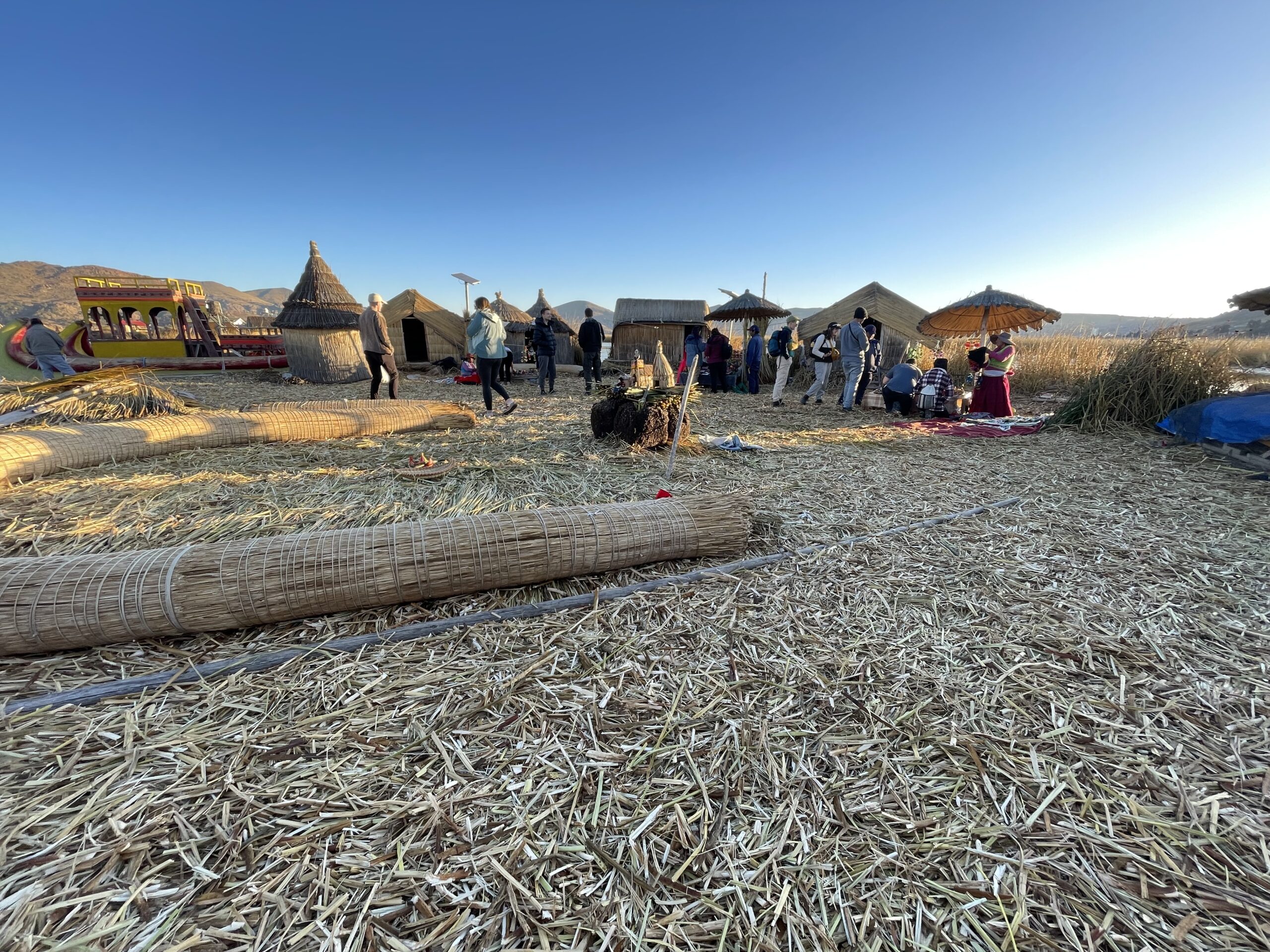
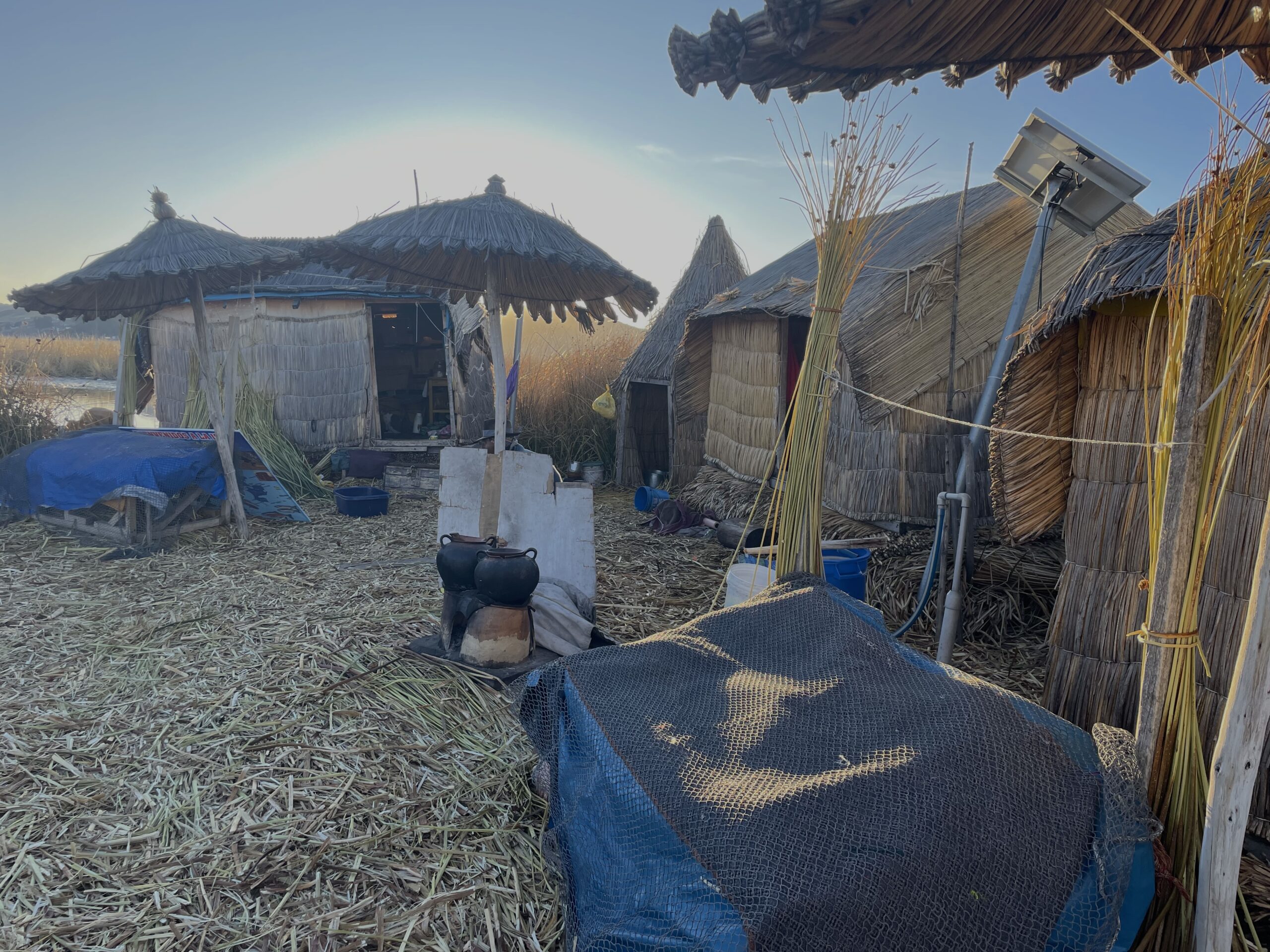
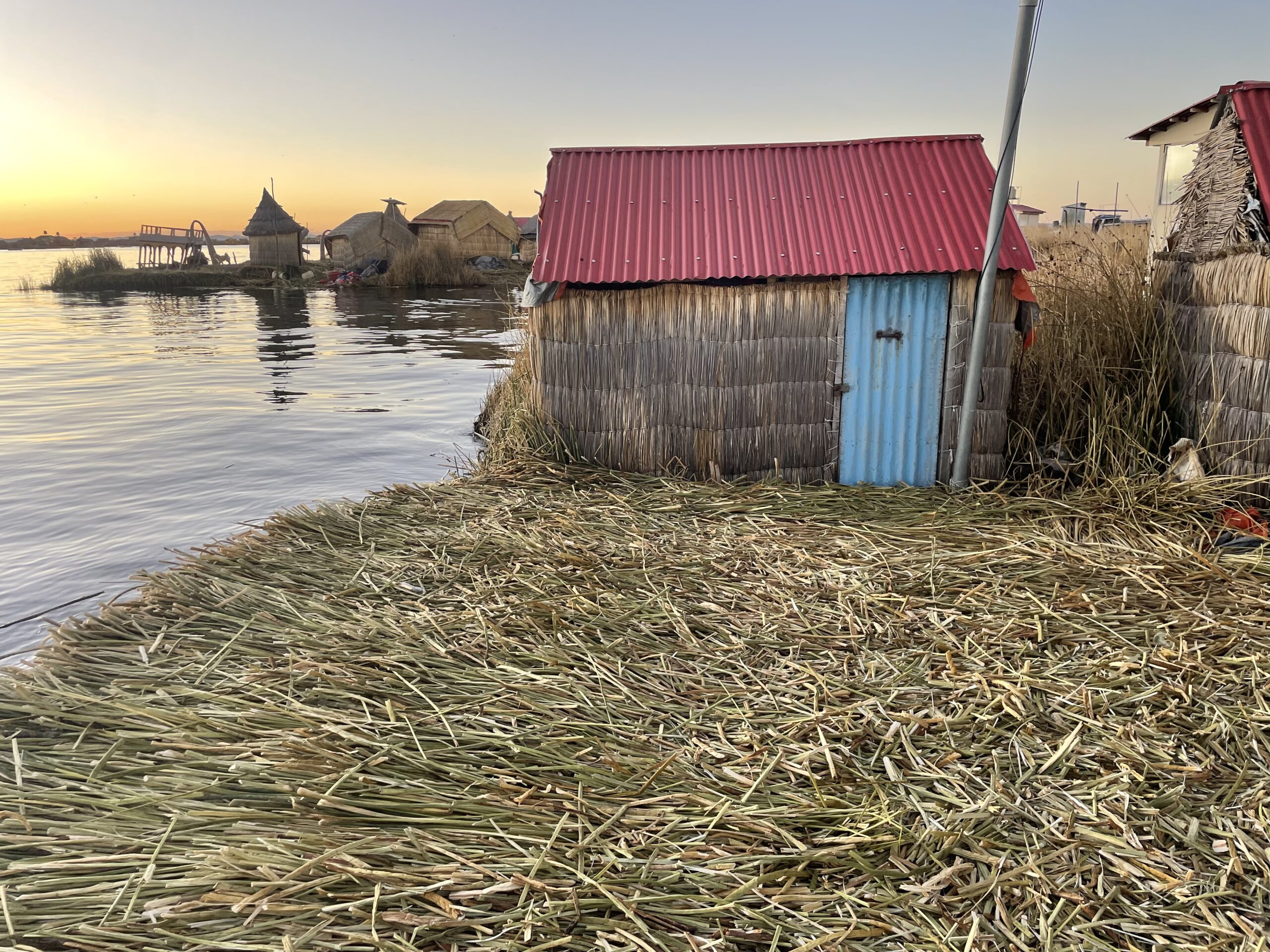
We got off the boat and walked around a tourist island where they showed us what it is like to live on such an island. The people use the reed to make all kinds of things.
We went to a different island next. It was all pretty touristy, but it was still very cool. The drone videos I got are some of my favorites ever.
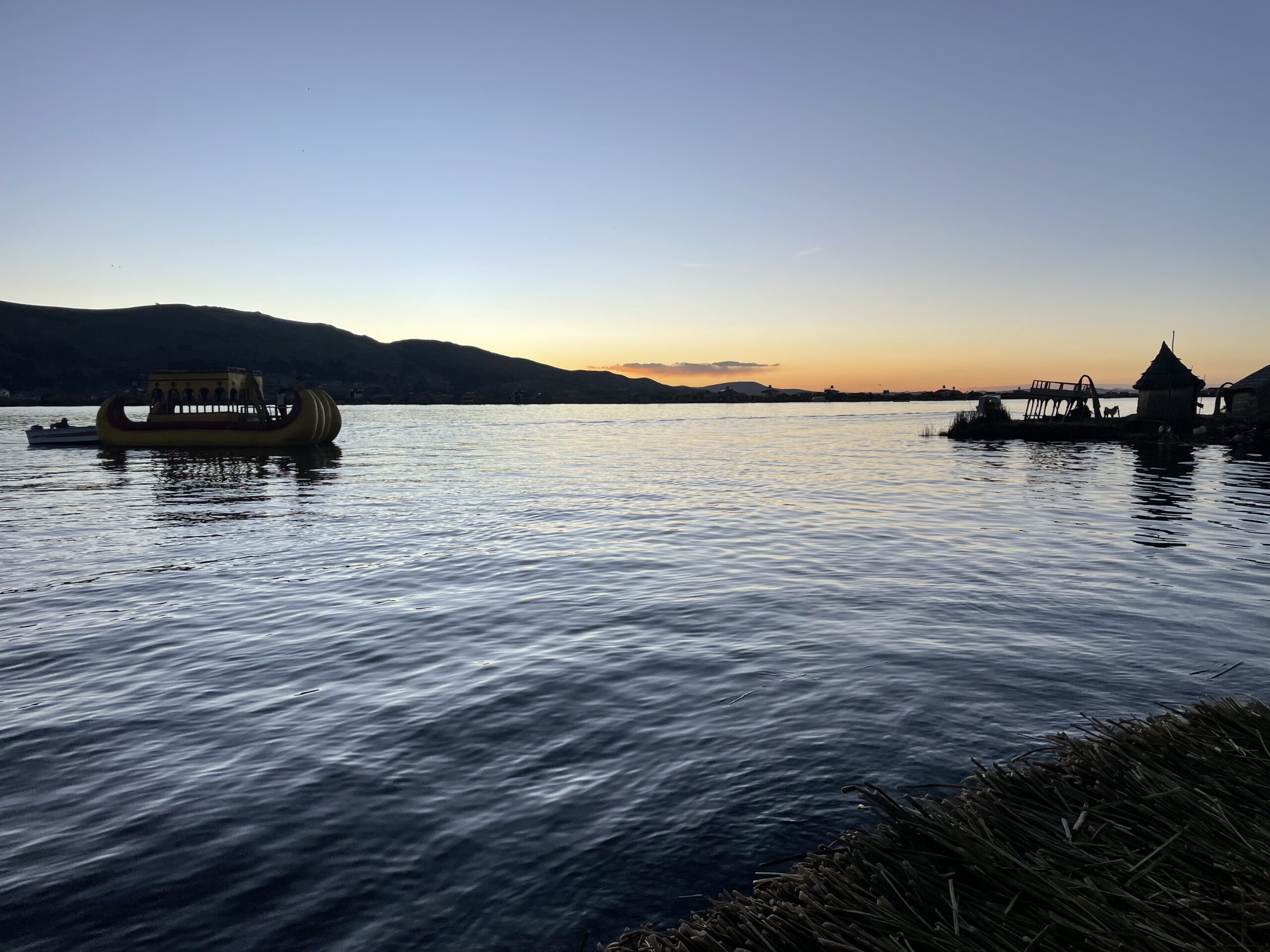
The sun set over Lake Titicaca. I was freezing cold in my t-shirt but happy.
I boarded the PeruHop bus, and we departed at 9:30 pm. We drove through the night to arrive early the next morning in Cusco.
Next time
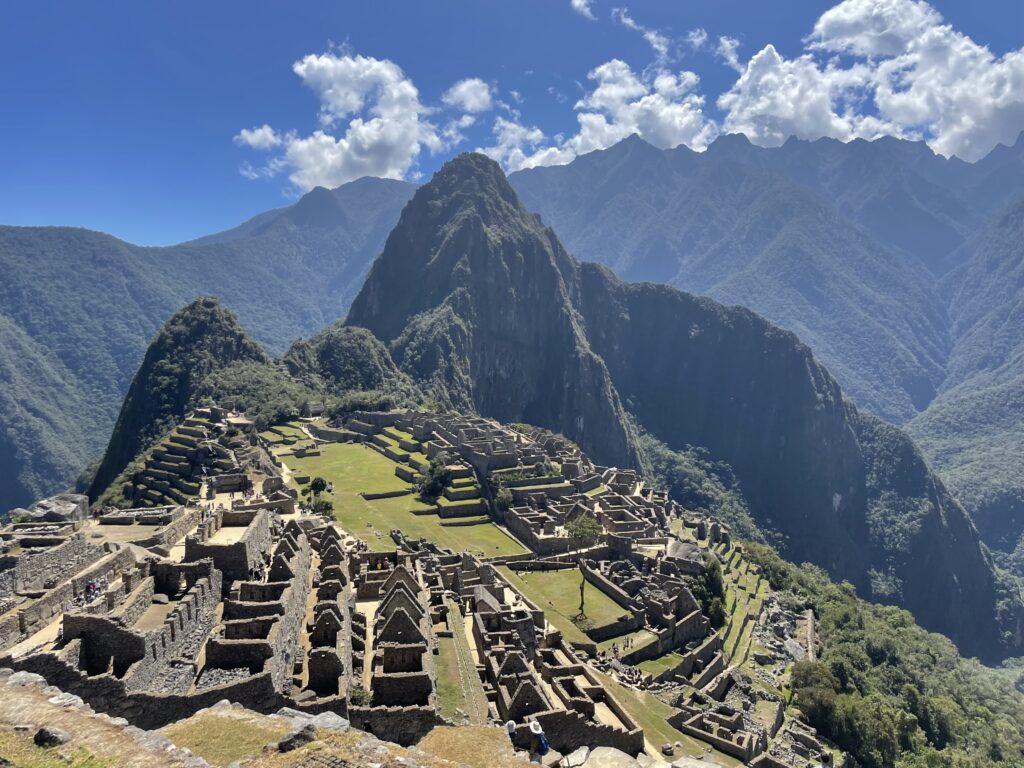
On my next adventure, I meet up with Indi in Cusco to visit Machu Picchu.

 ES
ES  EN
EN